


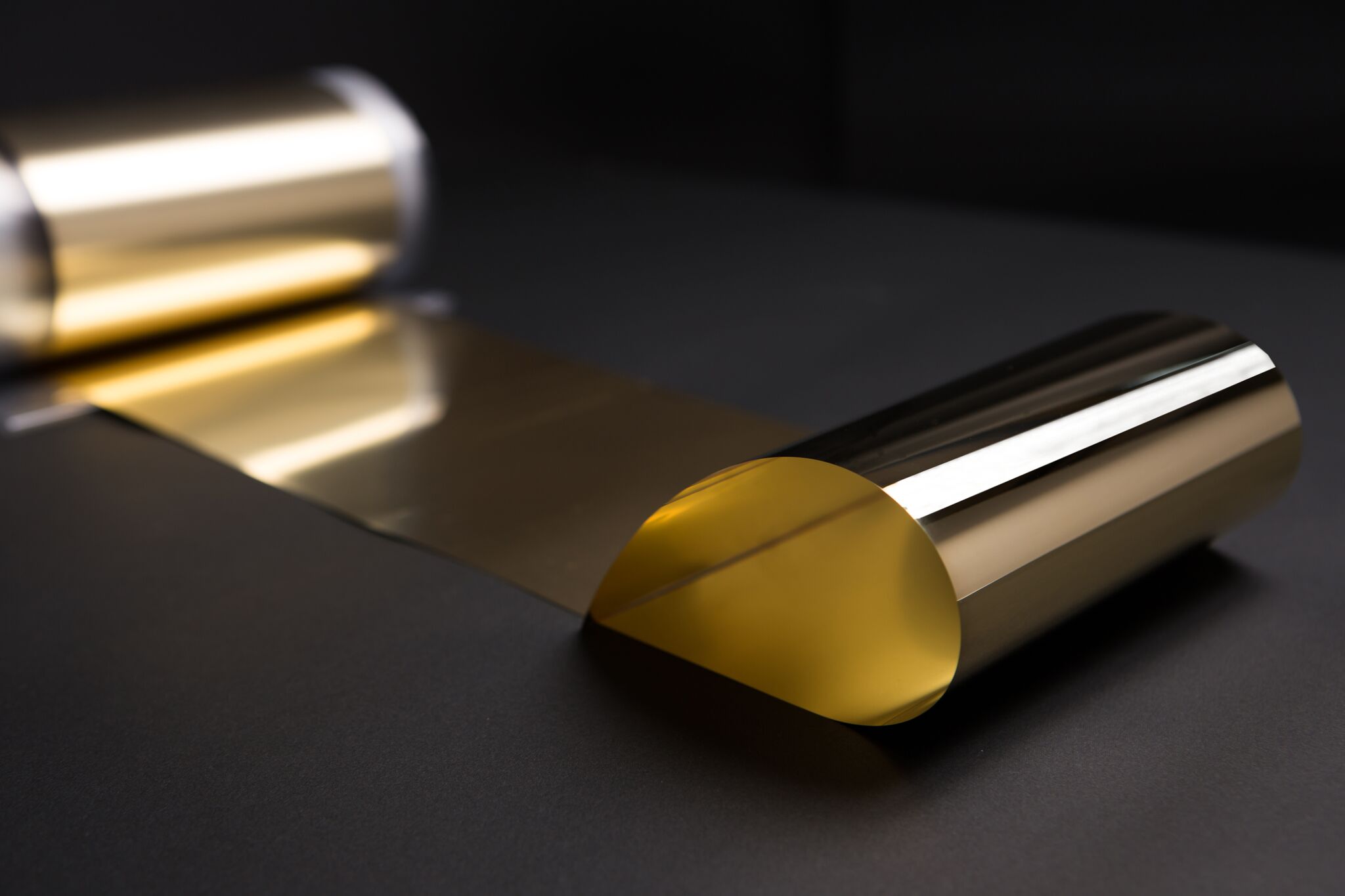
Adopted for Precision Experiments at World-Leading Research Institute PSI — Mirror Finishing of Long Metal Foil
PSI (Paul Scherrer Institute), a Swiss national research institute, is conducting precision experiments that seek to unravel the mysteries of the origin of the universe.
In this article, we introduce the scientific background of these experiments and a case study in which TDC provided technical support through ultra-precision polishing of long metal foil.
[About PSI (Paul Scherrer Institute)]
PSI is the largest research institute in Switzerland for the natural sciences and engineering. Located in the canton of Aargau in northern Switzerland, the institute operates four large-scale research facilities on its campus: the Swiss Light Source (SLS), the spallation neutron source (SINQ), the muon source (SμS), and the X-ray free-electron laser (SwissFEL) — a combination that is unique in the world. Each year, approximately 3,000 researchers from over 60 countries visit the institute to conduct experiments.
PSI Official Website
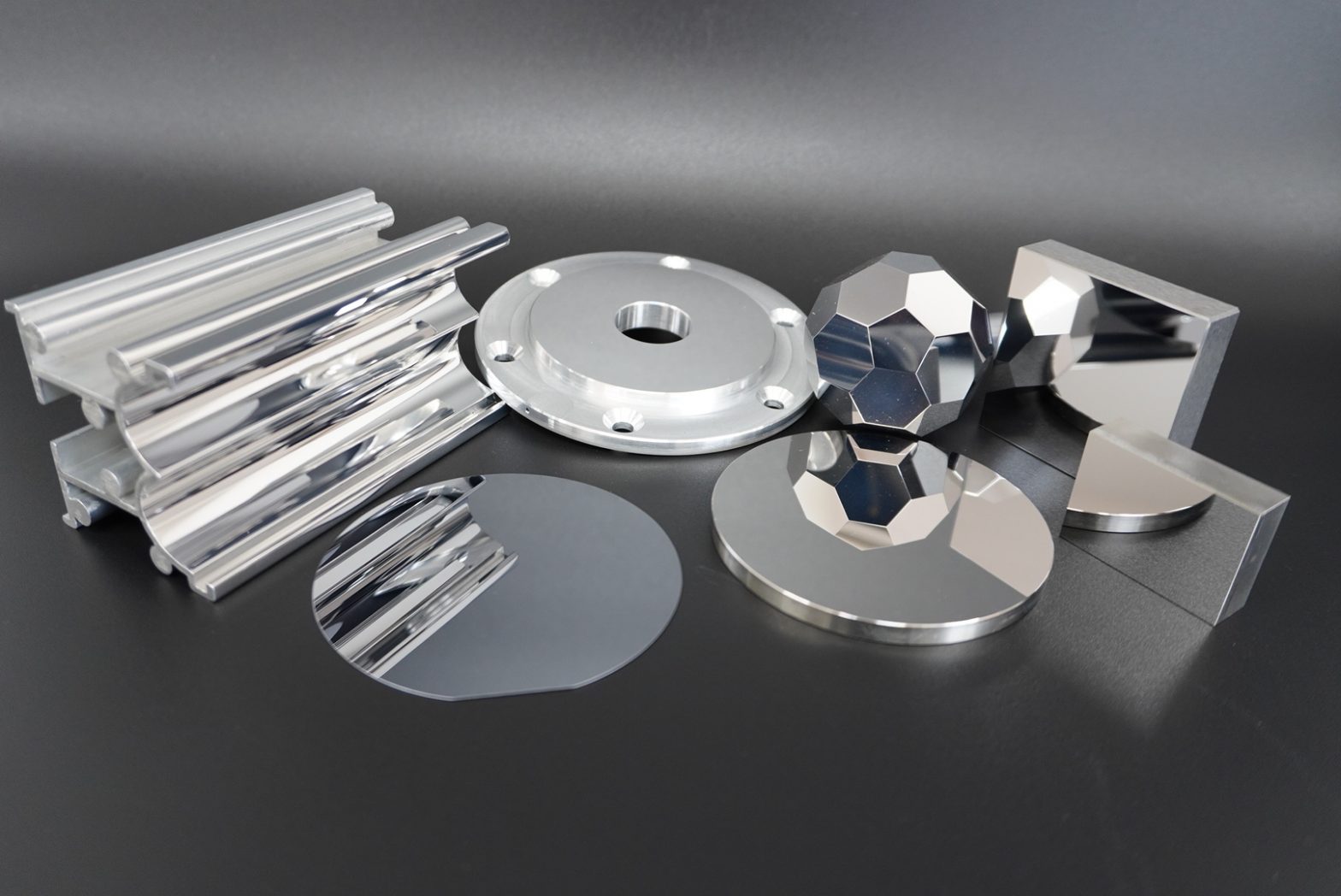
TDC technology used in this project: Precision Mirror Foil / Long Metal Foil Precision Polishing
Contents
Everything in the Universe Is Made of “Matter”
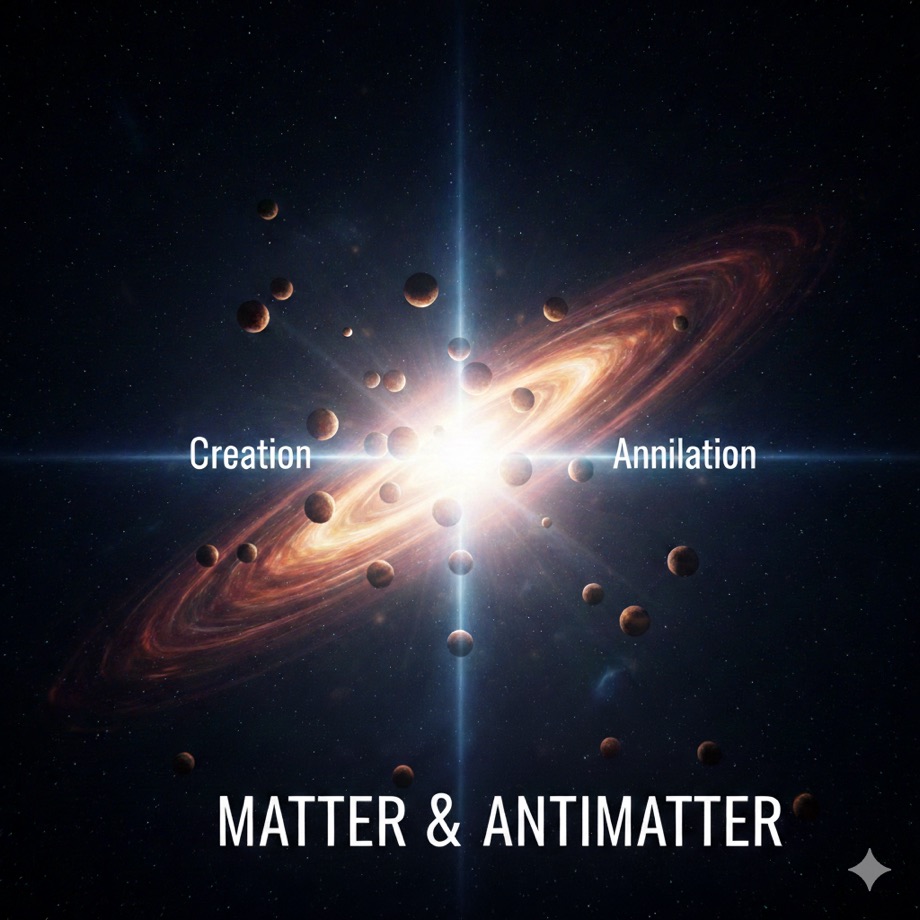
Our bodies, the Earth, the stars — everything that exists in the universe is made of “matter.” At the most fundamental level, matter is composed of particles such as electrons and protons, and each of these particles has a counterpart known as “antimatter” — like a mirror-image twin.
When matter and antimatter meet, they annihilate each other, converting into energy (such as light). This phenomenon is known as “annihilation.”
Example: electron (e⁻) + positron (e⁺) → gamma rays (light)
One of the Greatest Mysteries of the Universe: Why Did Only Matter Survive?
It is believed that immediately after the Big Bang, matter and antimatter were created in nearly equal amounts. If the amounts had been perfectly equal, all matter and antimatter would have annihilated each other, leaving the universe filled with nothing but light. And yet, the universe we observe today is made up almost entirely of matter.
This is known as the “matter-antimatter asymmetry” — one of the most fundamental mysteries in physics. The prevailing theory is that just after the Big Bang, there was a very slight excess of matter over antimatter — a difference of roughly one part in a billion. That tiny surplus of matter eventually formed the stars, galaxies, and ultimately, us.
But what caused this imbalance?
Researchers around the world are pursuing a variety of approaches to answer this question, including:
- Experiments that compare the properties of neutrons and antineutrons with extreme precision
- Searches for CP violation (subtle differences in the behavior of particles and their antiparticles)
The study of CP violation led to the Kobayashi-Maskawa theory being awarded the Nobel Prize in Physics in 2008.
Through the accumulation of such research, the pieces needed to understand the origin of the universe are gradually coming together.
Precision Experiments with “Ultracold Neutrons (UCN)” at PSI in Switzerland
One of the frontiers in the quest to solve the matter-antimatter asymmetry is at PSI in Switzerland. Using world-class instrumentation, PSI is conducting research with “ultracold neutrons (UCN).”
Characteristics of ultracold neutrons (UCN):
- Extremely low kinetic energy
- Velocity of just a few meters per second — roughly walking speed
- Can be reflected and confined by material surfaces
- Can be controlled using magnetic fields and gravity
Thanks to these properties, UCN can be stored and observed for extended periods — something that is not possible with ordinary neutrons. At PSI, UCN are confined in vessels to conduct ultra-high-precision experiments, including:
- Precision measurement of the neutron lifetime (how many seconds before it decays)
- Searches for the neutron electric dipole moment (EDM)
These experiments probe the most fundamental laws of physics.
In UCN experiments, the surface condition of components that come into contact with neutrons can affect measurement results, which is why the metal foil used in such experiments must meet extremely demanding standards for surface precision.
TDC’s Long Metal Foil Mirror Finishing Adopted for PSI Experiments
TDC’s precision polishing technology has been adopted for PSI’s cutting-edge experimental program.
It started in 2024 with an inquiry through our website. A research team at PSI was looking for a manufacturer capable of precision polishing long metal foil, and reached out to us.
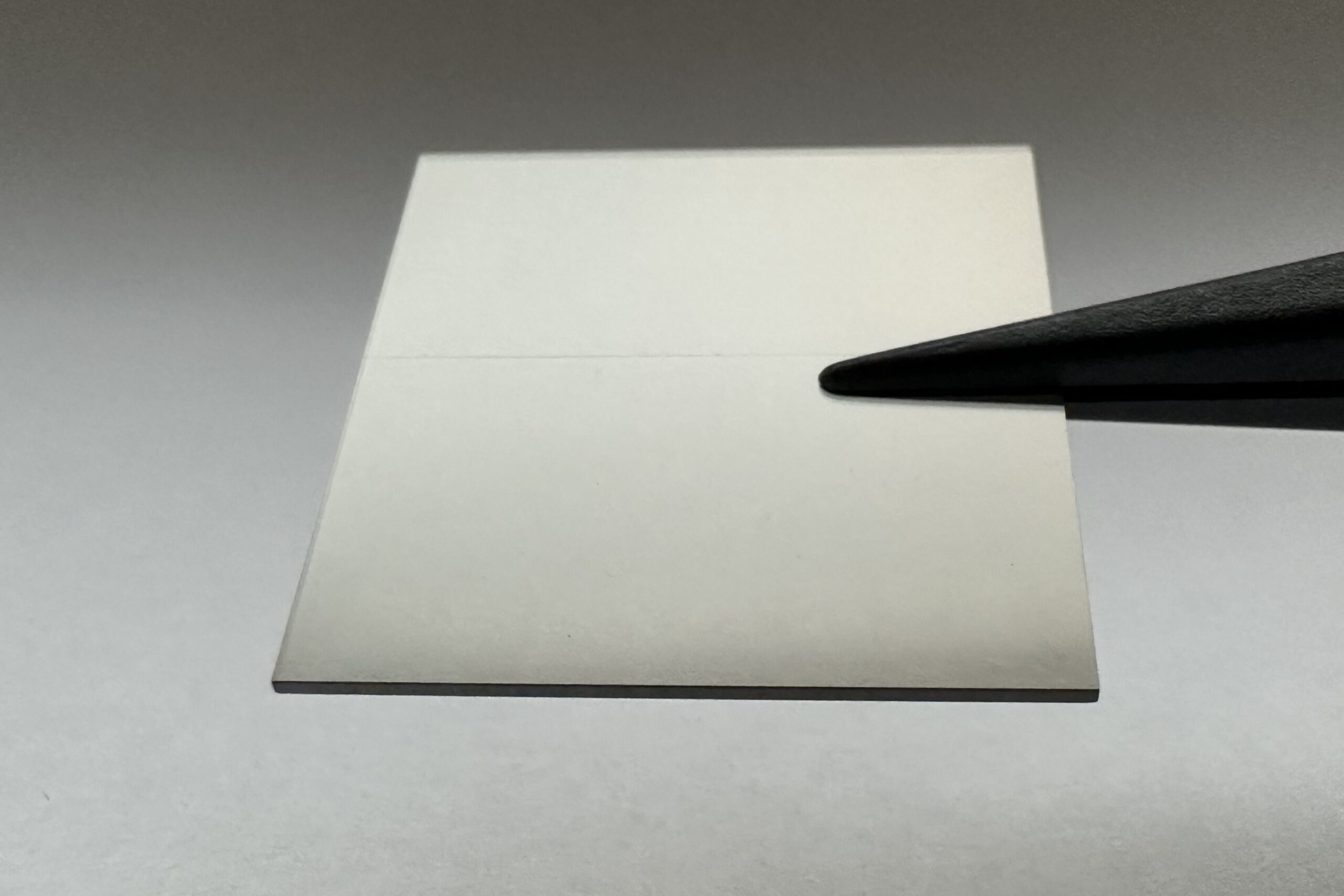
For the first order, we performed precision polishing on customer-supplied material to the requested specifications, and received a favorable evaluation. This led to a second order in 2025 involving revised specifications, in which we achieved a mirror finish with single-nanometer-order surface roughness across the entire surface of a large-area metal foil. For the second order, we also sourced the material ourselves and handled the entire process — from polishing to packaging and shipping to Switzerland.
The delivered products have been well received by PSI, and the relationship has since grown to include additional polishing requests for other components.
It is a great honor for us to contribute our technology to such groundbreaking research — research that addresses one of the most profound questions about our universe: why do we exist at all?
We look forward to the continued progress of these experiments.
TDC’s Long Metal Foil Precision Polishing
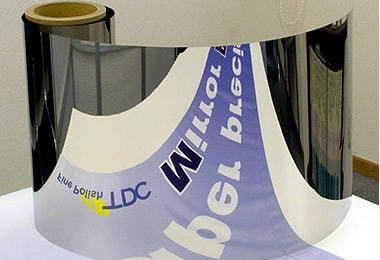
TDC has developed and operates a proprietary automated mirror-finishing system capable of continuously feeding, polishing, and rewinding long tape-shaped metal foil exceeding 100 meters in length.
- Achieves mirror finish with surface roughness of Ra 1.5 nm and Rz 10 nm (for SUS304)
- Supports single-side and double-side mirror finishing
- Compatible with a wide range of materials, including aluminum, stainless steel, copper, and nickel
For more details on our long metal foil precision polishing capabilities, please visit: Precision Mirror Foil / Long Metal Foil Precision Polishing
For any inquiries about precision polishing, please feel free to contact TDC.
[Inquiries from Overseas]
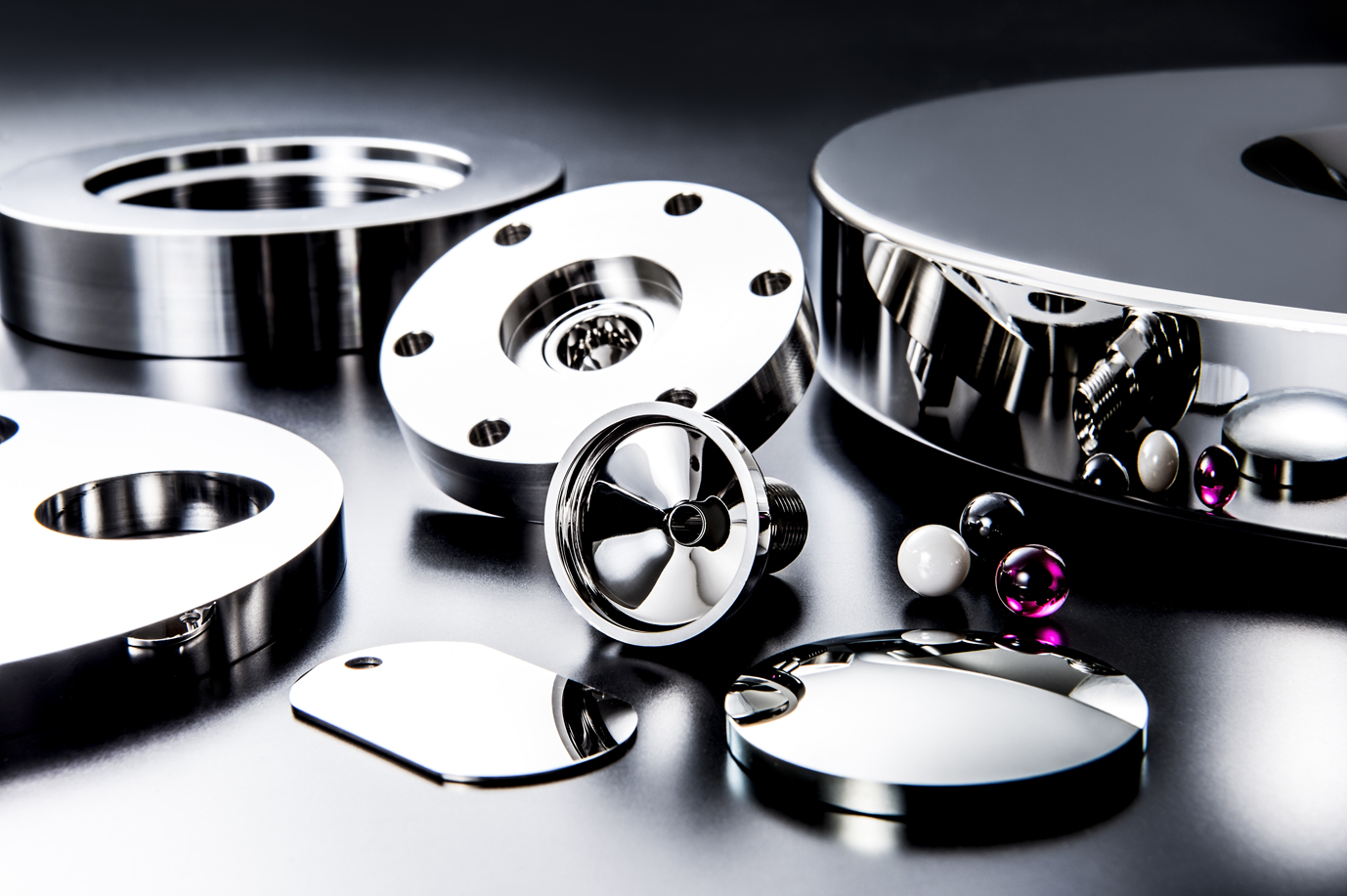
TDC has extensive experience working with international clients. We can handle the entire process — from material sourcing and precision polishing to packaging and international shipping — whether you supply your own material or require us to procure it. We have accumulated years of know-how in packaging and shipping, ensuring the safe delivery of precision components worldwide.
For details on the process from order to delivery, please see our How to Order page.
Empower your projects with
nano-scale precision polishing.
― we’ve got you covered ―
Material procurement / Test pieces
Any materials & shapes / Hard-to-cut materials
Single to mass production
TDC Information


Related page